SKIP TO CONTENT

LOADING

ALİ CEM YILMAZ

ALİ CEM YILMAZDEVELOPER / NOCİZMİR, TR

SECTION A–APERSONAL ARCHIVEREV. 2026.09

I started out writing code. Now I’m where the code runs.

FIG. 1Data center model, cut at +2.70 Representative model — not OLFE’s actual building.
  1. 1Machine room — rack row
  2. 2Service bay
  3. 3Cooling
  4. 4Power
  5. 5Entry and security

I build apps, and I’m a junior NOC operator at OLFE Data Center. This page is a cross-section of the path between the two.

FOCUS
Networks · infrastructure · security
SYSTEM STATUS
Running
Go down
+02PROFILEPERSONAL SECTION

Who is Ali Cem?

A developer who kept wondering what sits underneath the apps he builds. The curiosity didn’t stop at one layer — each time, it went one floor deeper.

ID CARD

NAME
Ali Cem Yılmaz
AGE
18
LOCATION
İzmir, Türkiye · UTC+3
EDUCATION
Vocational and technical high school, IT track — graduated
NOW
Junior NOC Operator, OLFE Data Center
INTERESTS
Software, networking, infrastructure, cybersecurity, AI
  1. 01CODE

    What runs on the screen

    I learned to code at a vocational high school, in the IT track. JavaScript, TypeScript, React, React Native, Node.js: first I made things that run on a screen.

  2. 02NETWORK

    Where a request goes

    Then I got curious about everything a request passes through before it reaches a server. Networking fundamentals, Cisco technologies, Linux. The part you never see while writing an app started here.

  3. 03INFRASTRUCTURE

    The physical side of code

    The network led me to servers, and servers led me to the data center. Racks, cables, power, cooling: everything working in the background to keep an app alive. This is exactly where I work now.

  4. 04SECURITY

    Around every layer

    Every layer raised the same question: how does this break, and how do you protect it? That’s why security isn’t at the bottom of this list — it wraps around all of it.

FIG. 2Stair section: each step one floor down
+01WORK4 PROJECTS · ARCHIVE

Things I’ve made.

Work I actually wrote, shipped or prepared for a competition. For each one, I say plainly what I did.

ACY—01Mobile appLive on Google Play

CeDak

A focus app that does more than keep time.
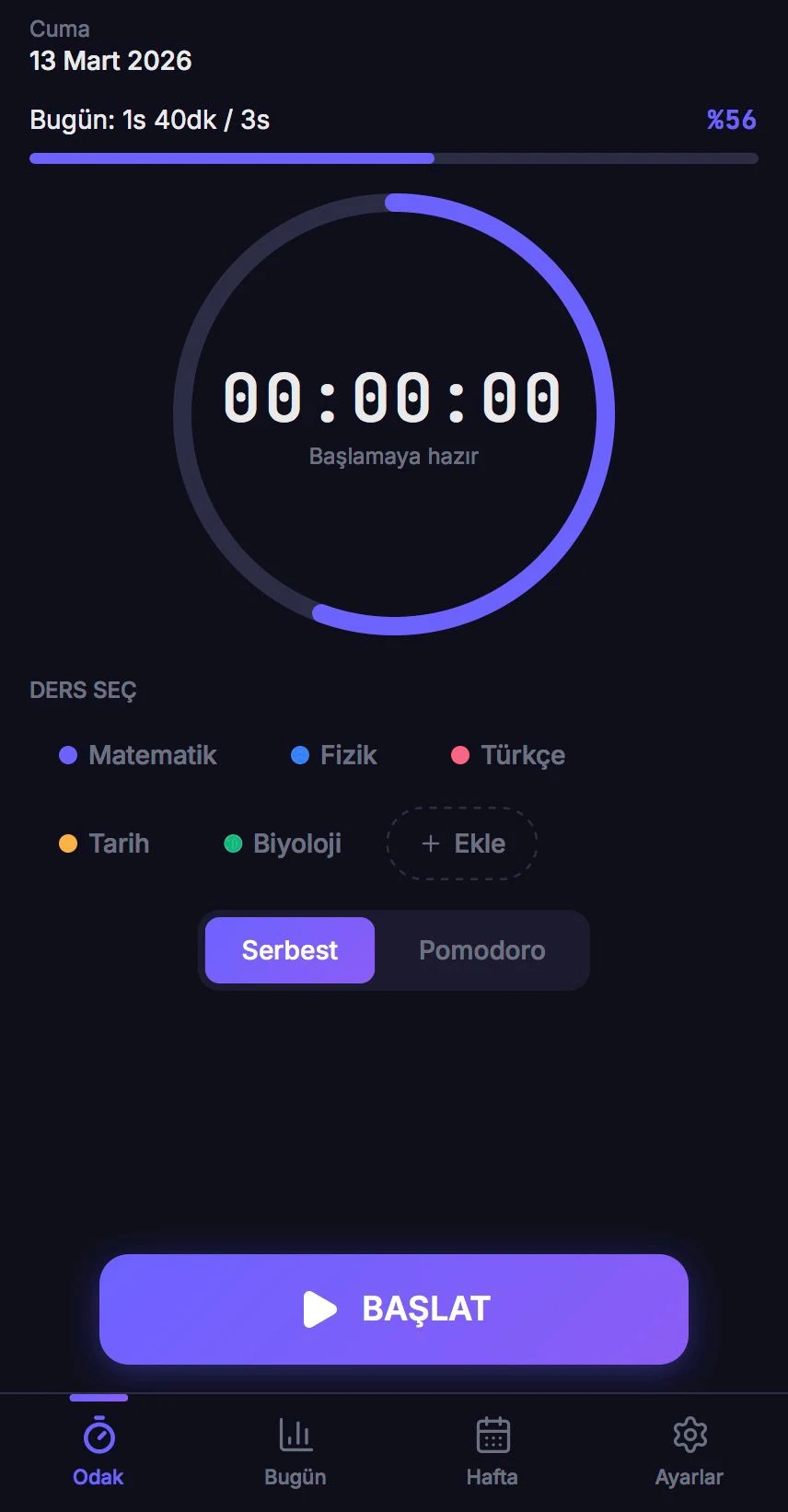
  • CeDak focus screen: a circular timer in the middle, subject chips below, free and Pomodoro modes and a Start button. The app’s interface is in Turkish.
    FIG. 3.1Focus screen
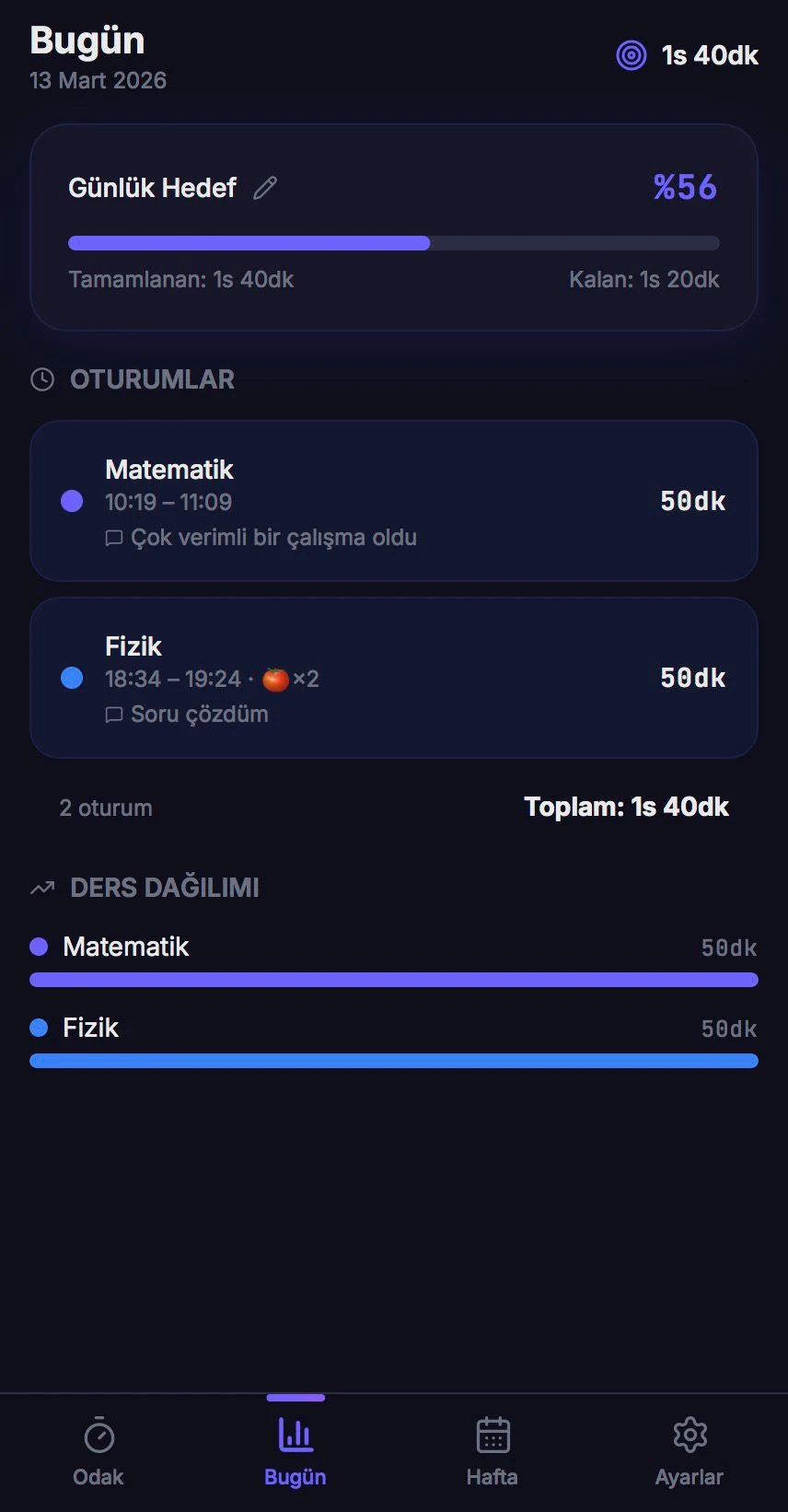
  • CeDak Today screen: a daily goal bar, the day’s study sessions and time per subject.
    FIG. 3.2Today screen
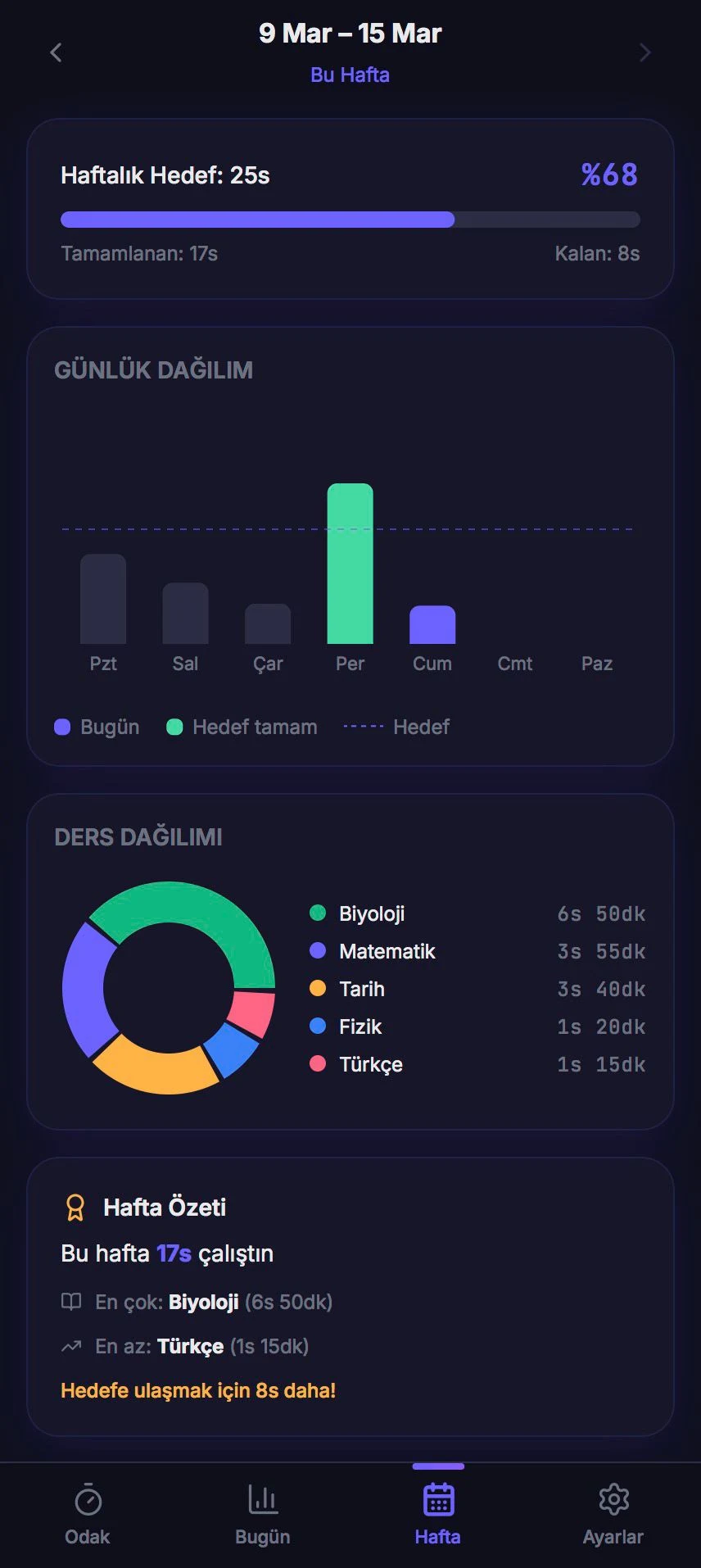
  • CeDak Week screen: weekly goal, a bar chart of study time per day and a donut chart per subject.
    FIG. 3.3Week screen
FIG. 3Screens from Google Play Screens from the Google Play listing; the numbers inside are the app’s sample data.

A focus and study tracker for students and busy people. You start a session with a Pomodoro or free timer; time per subject, daily and weekly goals, notes and streaks all live in one place.

The idea was simple: most apps measure time — CeDak tries to build a habit.

ROLE
Solo developer — the mobile app, the Firebase back end and the Google Play release.
MOBILE
React Native · Expo · TypeScript
BACK END
Firebase Authentication · Cloud Firestore · Cloud Functions
NOTIFICATIONS
OneSignal
UI
NativeWind

ACY—02Mobile appLive on Google Play

Kafella

Turkish coffee fortune-telling, in an app.

  • FIG. 4.1Cup, top view — illustration Illustration — not an actual app screen.
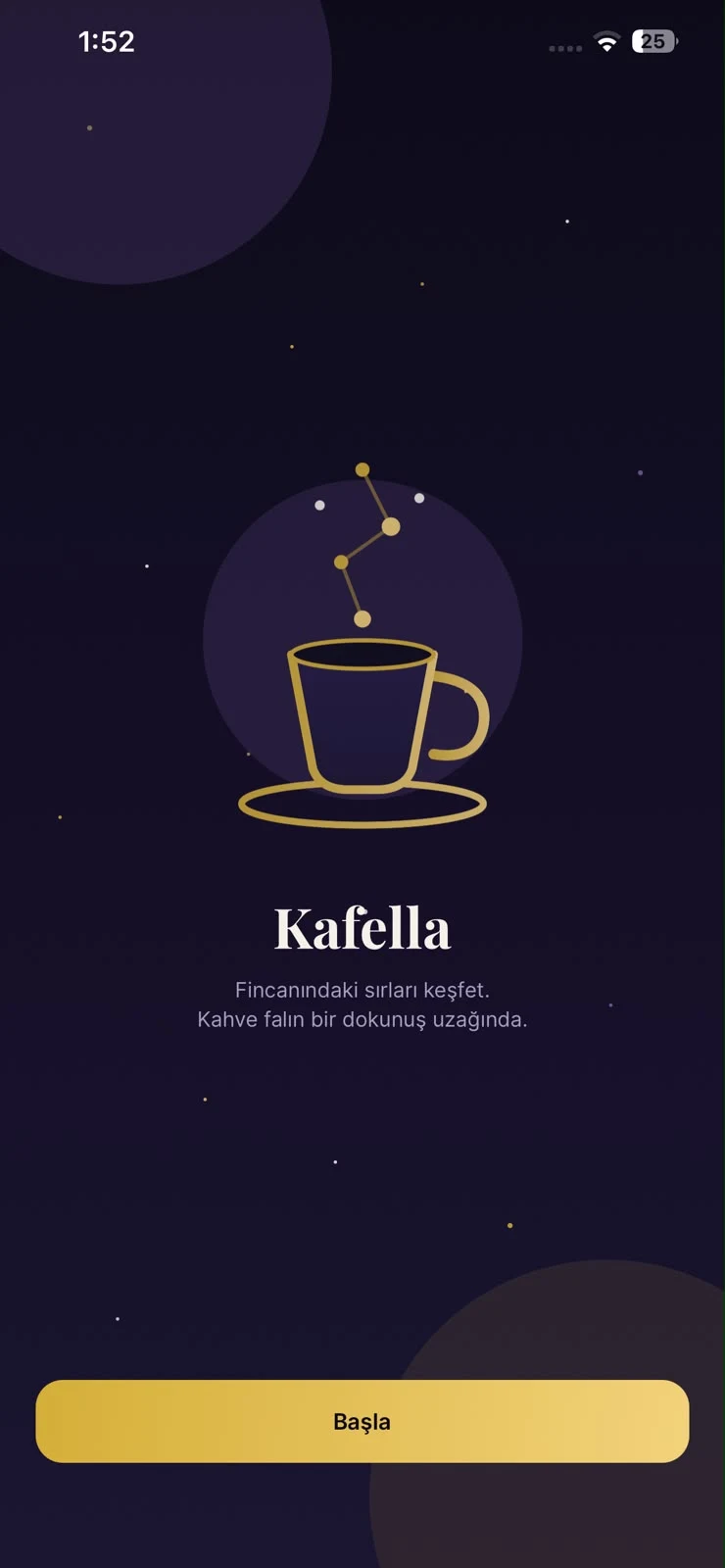
  • Kafella splash screen: a gold line drawing of a coffee cup on a dark purple background, the Kafella name and a Start button.
    FIG. 4.2Splash screen
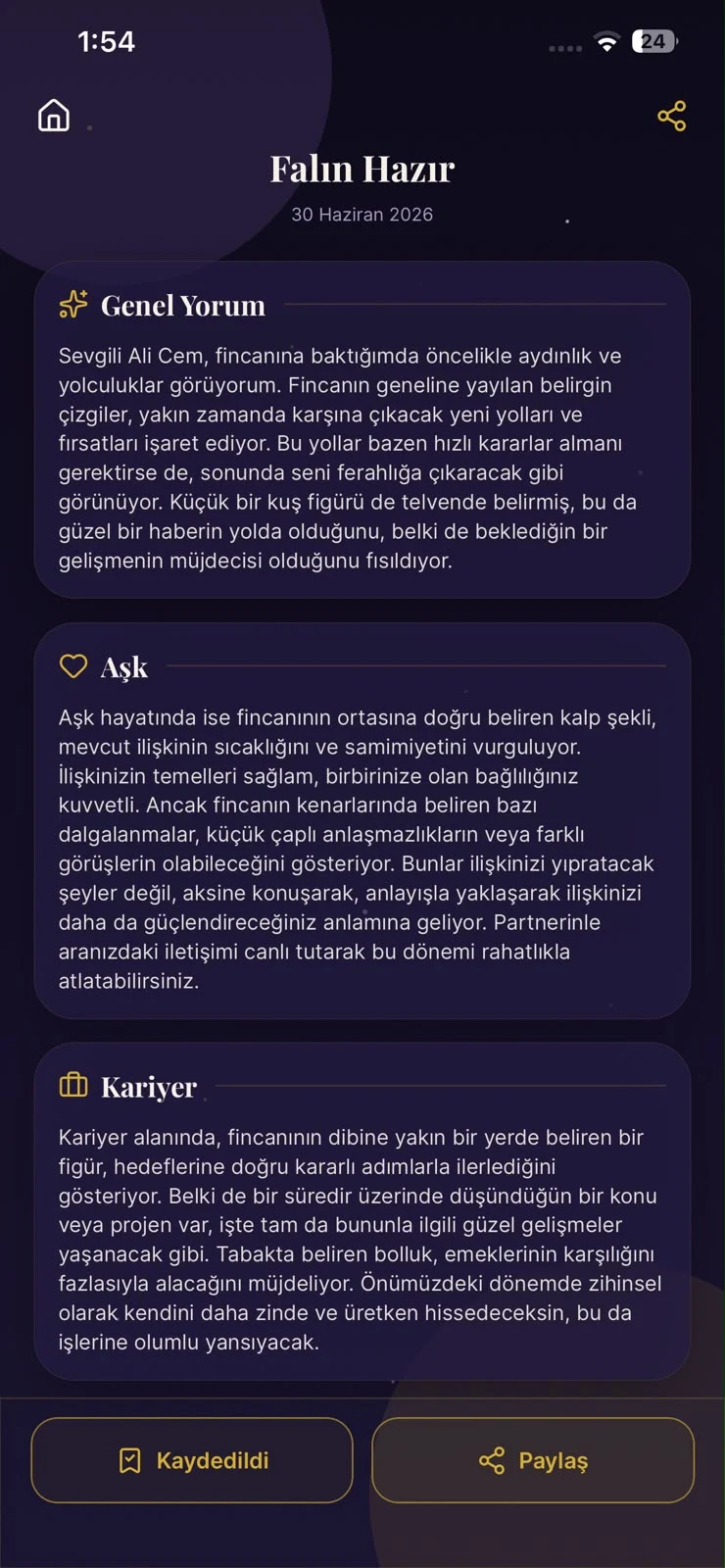
  • Kafella result screen: under the heading “Your fortune is ready”, a general reading followed by love and career sections, in Turkish.
    FIG. 4.3The reading
FIG. 4Screens from Google Play Screens from the Google Play listing; the fortune text is a sample reading from the app.

You finish your coffee, turn the cup over and photograph it from four angles; the AI reads the shapes in the grounds and writes a fortune just for you — love, career, money, health. Ready in seconds.

Maybe the least “technical” idea on this list, but taking an idea all the way to something that works takes the same effort every time. It’s made for fun; the fortune stays a fortune.

ROLE
Developer — the app and its Google Play release.
FLOW
4 cup photos → AI → a personal reading
PLATFORM
Android · Google Play

ACY—03App

SnapMacro

FIG. 5Plate, top view — illustration Illustration — not an actual app screen.

Snap your plate, get a calorie estimate.

An app that estimates calories from a photo of your food. The goal: shrink the most tedious part of calorie tracking — logging everything by hand — down to a single photo.

ROLE
Design and development

Archive

Smaller, but real work. Mostly freelance.

  1. 05Corporate websiteA multilingual site for a law firm in İzmir. Design and development.FREELANCE · WEBuygundogan.av.tr
  2. 06Digital menu and websiteFor a coffee shop.FREELANCE · WEB
  3. 07Çizgiy — e-commerceFor a T-shirt brand. Design and development.FREELANCE · E-COMMERCE
  4. 08Business finderA Python tool that pulls businesses matching given criteria from Google.PERSONAL · PYTHONGitHub
+01WORK04 — CASE STUDY

ACY—04TEKNOFEST · AI in Healthcare

TeknoECG

A CNN that reads 12-lead ECG signals and sorts them into three classes.

An ECG classification model I built for TEKNOFEST’s AI in Healthcare competition. It sorts 12-lead ECG recordings into rhythm disorders, conduction disorders and normal.

I didn’t start from an existing architecture — I designed the CNN from scratch.

ROLE
Data preprocessing, model architecture and training — end to end, on my own.
TECHNOLOGY
Python · CNN · Deep learning
CONTEXT
TEKNOFEST · AI in Healthcare
FIG. 612-lead ECG, standard layout Representative signals and schematics — not real patient data or model output.
REPRESENTATIVE SIGNAL
  1. 01 SIGNAL

    Twelve leads

    Each recording looks at the same heart from twelve angles: I, II, III, aVR, aVL, aVF and V1–V6.

  2. 02 PREPROCESSING

    Preparing the data

    Turning raw recordings into a consistent form the model can read. The quiet, long part of the job.

  3. 03 MODEL

    schematic

    A CNN from scratch

    A convolutional neural network whose architecture I built myself instead of borrowing a ready-made one.

  4. 04 CLASS

    • Rhythm disorder
    • Conduction disorder
    • Normal
    illustrative

    Three outputs

    Each recording is assigned to one of three classes.

±0.00GROUND LEVEL

Up to here was the surface: the part people touch.

From here down: the things that keep it running.

−01SYSTEMSSECTION B–B

What’s underneath an app?

Everything that happens when you tap a button. Some of it I’ve written, some of it I work inside, some of it I’m still learning.

SECURITY

Not a layer — the perimeter around all of them.

MY PART I’m after it

A request’s path

  1. L1 APPLICATION

    The part people see and touch.

    React · React Native · Next.js · TypeScript · JavaScript · Tailwind CSS

    MY PART I write it

  2. L2 API

    Where requests are handled and the logic runs.

    Node.js · Express.js · REST

    MY PART I write it

  3. L3 DATA

    Everything that has to persist.

    PostgreSQL · MongoDB · Firebase · Supabase

    MY PART I use it

  4. L4 SERVER

    The machine the code actually runs on.

    Linux · Docker · Git

    MY PART I use it

  5. L5 NETWORK

    The path packets take: addresses, switches, routers.

    Cisco technologies · Networking fundamentals · Wireshark

    MY PART I’m learning it

  6. L6 INFRASTRUCTURE

    Racks, cables, power, cooling. The physical side of code.

    Data center · NOC

    MY PART I work inside it

−02MACHINE ROOMNOW

Junior NOC Operator, OLFE Data Center

FIG. 742U rack Representative model — not OLFE’s equipment.

A NOC — Network Operations Center — is where a data center’s network and systems are monitored.

I’m at the very start of my career, and I won’t make it sound bigger than it is. But for the first time, I’m seeing up close the layers I’ve been writing code on top of for a few years.

  1. CODE
  2. NETWORK
  3. INFRASTRUCTUREI’M HERE
ROLE
Junior NOC Operator
PLACE
OLFE Data Center
LOCATION
İzmir

LOGBOOK

What I’m working on now

Not finished things — the ones still open on my desk.

  1. 01Networking and CiscoCCNA topics: addressing, switching, routing.IN PROGRESS
  2. 02LinuxGetting comfortable on the command line; bringing a server up on my own.IN PROGRESS
  3. 03Reading packetsUsing Wireshark to see what a request looks like on the wire.IN PROGRESS
  4. 04The data centerSeeing up close how a data center is monitored, from the NOC.DAILY
−03CONTACTFOUNDATION

If you’ve made it down here, let’s talk.

A project, a question or just curiosity. Email is the easiest way.

STATUSOpen to new projects — including freelance web and mobile work.

I started at the surface. I’m still going down.